Europe's fastest-growing retailer is not panicking due to rising transport costs. While the conflict in the Middle East is driving up freight rates, our client and volume efficiency partner Action and CEO Hajir Hajji have stated that these costs will not be passed on to consumers.
In the same interview, she also indicated that Action is preparing for expansion into North America.
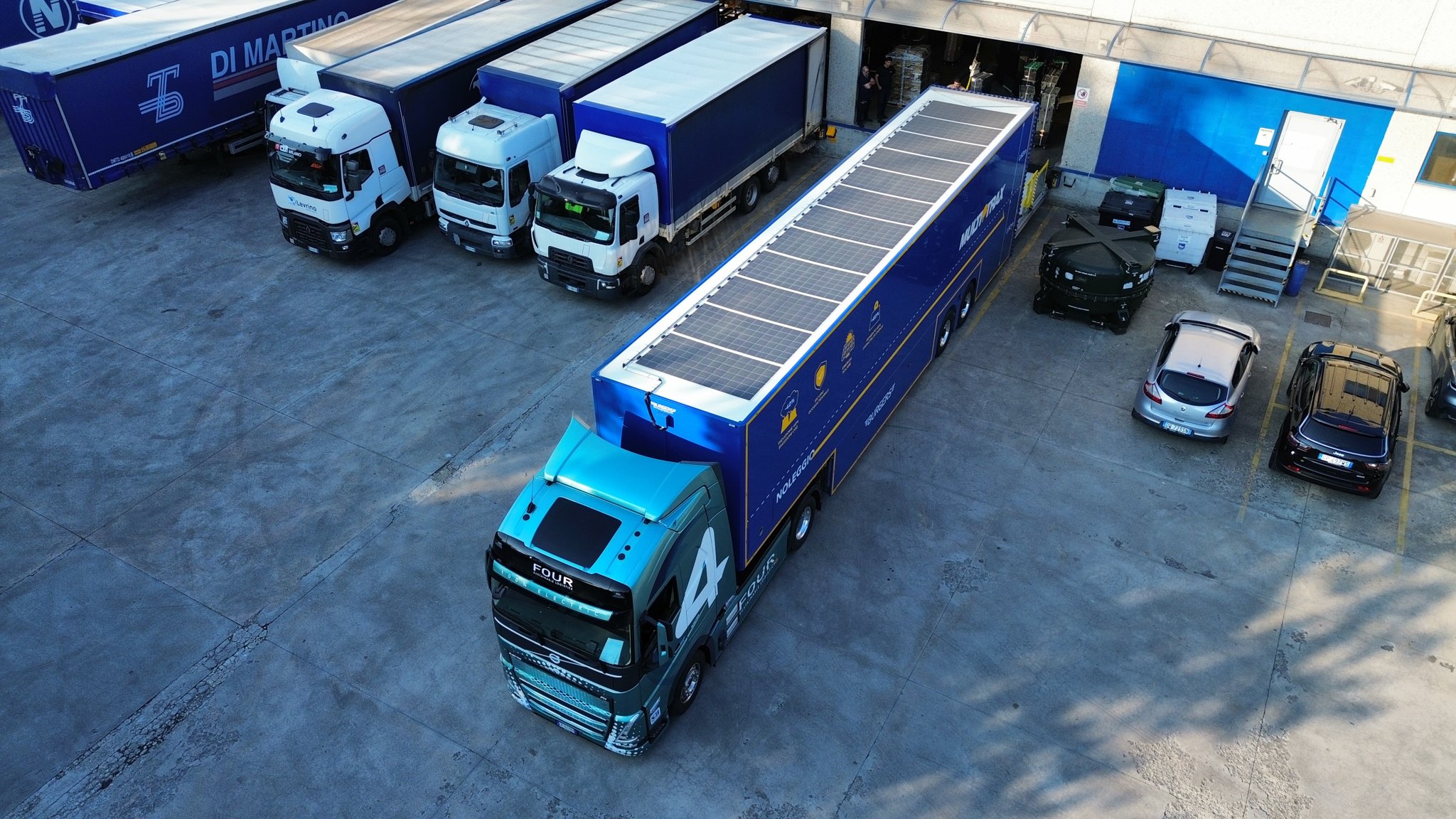
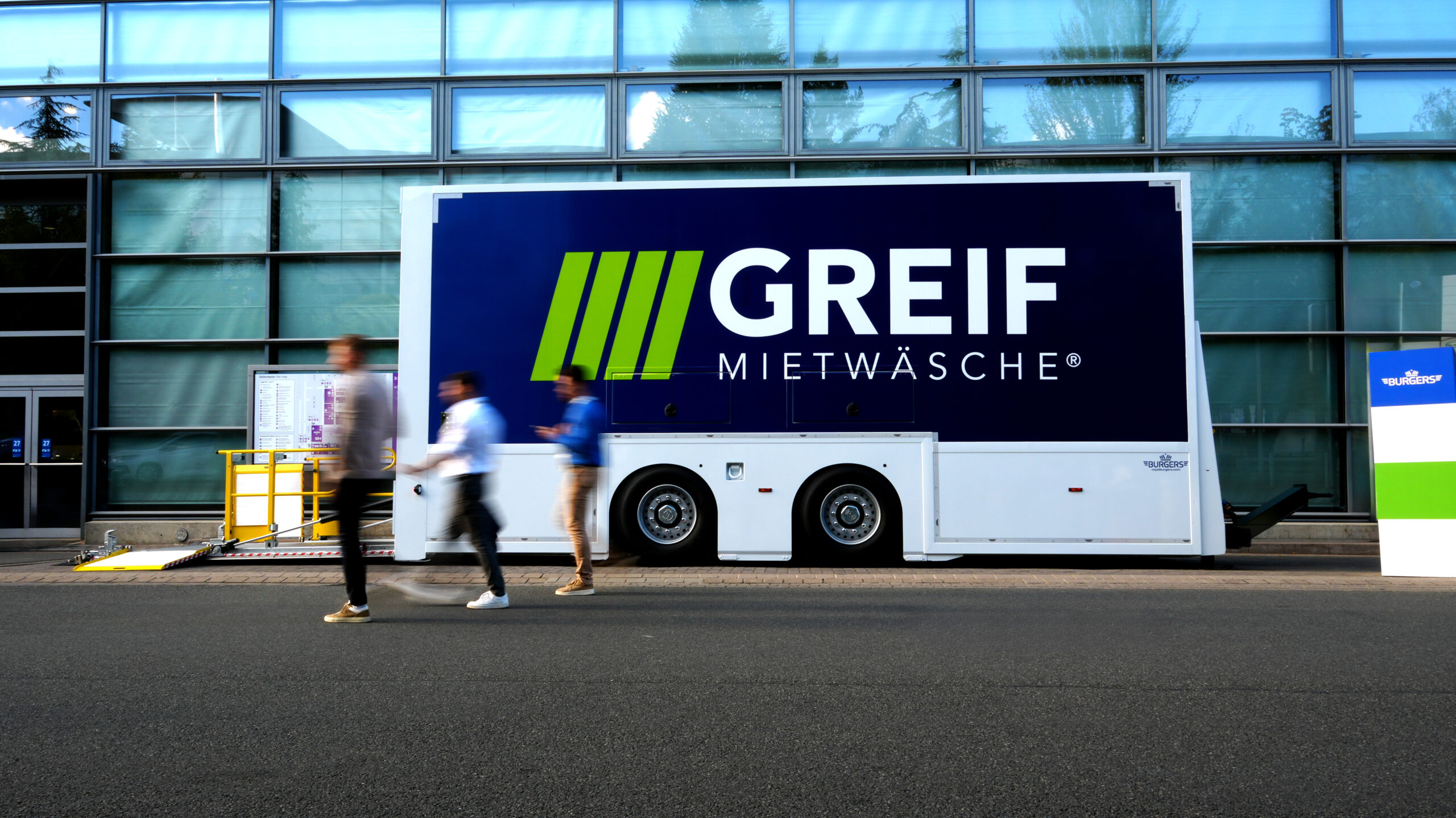
A key difference from other retailers lies in how the supply chain is organized and how trailers are used and loaded. Action uses double-deck trailers and loads them with trolleys. The entire operation is designed around this, and they understand that smart logistics directly impacts prices, rather than viewing it as a separate component. Even product dimensions are designed to fit inside these roll containers. That level of discipline ensures that their system and supply chain function effectively.
More volume per trip means fewer trips and a lower cost per unit. This also reduces susceptibility to fuel surcharges, which are currently severely impacting conventional transport. This impact resonates throughout the entire chain, from loading dock to distribution center and ultimately to the retail price.
Fewer trips also mean lower emissions. Costs and emissions are influenced by the same operational choices, a fact often overlooked. Transport efficiency is not merely a logistical factor; it also determines cost structure and pricing flexibility.
Some retailers are currently facing rising costs, while others have structured their operations to be less susceptible and more flexible in addressing future geopolitical tensions and climate regulations. This disparity becomes evident when fuel prices rise and will only become more critical in the future.