For years, the logistics sector has been adapting to rising fuel prices, stricter emissions regulations, and higher customer expectations. Yet one of the biggest challenges in transportation today is not new regulations or technology. It is something much more fundamental.
There are simply not enough truck drivers.
Across Europe, the shortage has already reached more than 400,000 drivers, and that number continues to rise. This is not a temporary dip caused by economic cycles or seasonal demand. It is a structural demographic shift that is changing the way transportation companies must think about growth.
A large proportion of current truck drivers are approaching retirement age. Nearly one in three European truck drivers is over 55, while only a small percentage of young people choose this profession. The shortage is expected to grow to more than 745,000 unfilled vacancies in Europe alone by 2028. Globally , the sector could face 3.6 million unfilled driver positions.
That leads to an uncomfortable reality.
For decades, the solution to growing transportation demand was relatively simple: buy more trucks and hire more drivers. Today, that approach is becoming increasingly unrealistic. Even companies with full order books are struggling to find qualified drivers.
As a result, the question changes.
Instead of asking , “How can we find more drivers?”, logistics companies are increasingly asking themselves, “How can we get more out of the drivers we already have?”
This shift is changing how fleets are organized, how routes are planned, and how trailers are deployed. Efficiency is no longer just about reducing costs; it has become essential for maintaining capacity.
Every additional pallet transported in a single trip reduces the number of trips required. Every vehicle that carries more cargo helps alleviate the growing driver shortage. In an industry where qualified drivers are becoming a scarce resource, productivity per trip matters more than ever.
That is why more and more companies are looking beyond simply replacing vehicles. They are rethinking how their existing operations can transport more using the same staff, the same routes, and the same working hours.
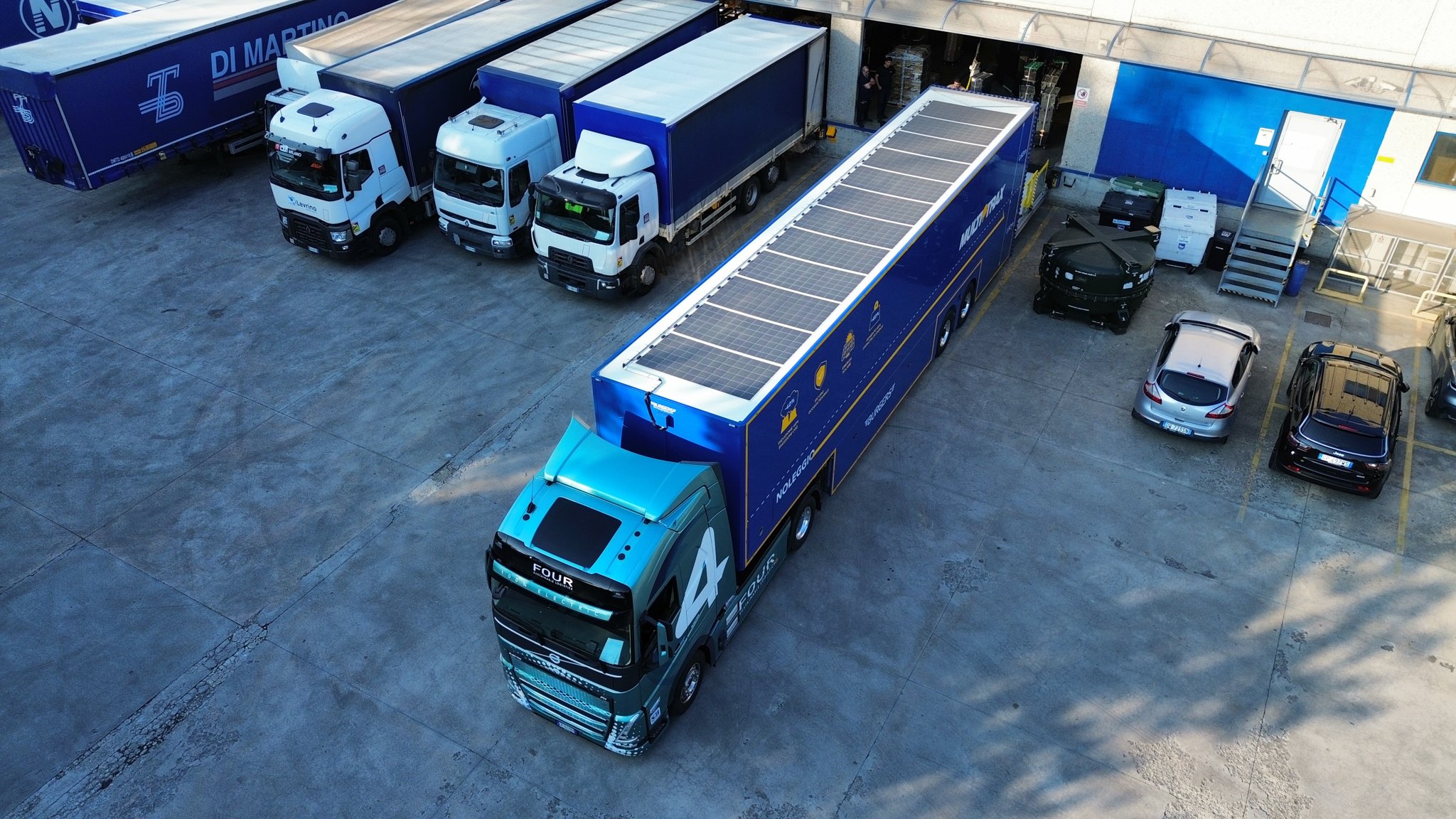
For high-volume logistics, increasing trailer capacity can make a significant difference. Solutions such as double-deck trailers enable companies to transport substantially more goods per trip, thereby reducing the number of transport trips and making better use of each available driver.
The driver shortage is not a problem that will go away on its own in the coming years. It will shape the logistics sector for the next decade.
The companies that are successful aren't necessarily the ones with the largest fleets.
These are the companies that are learning to transport more with every trip.